Q: What is Emsella?
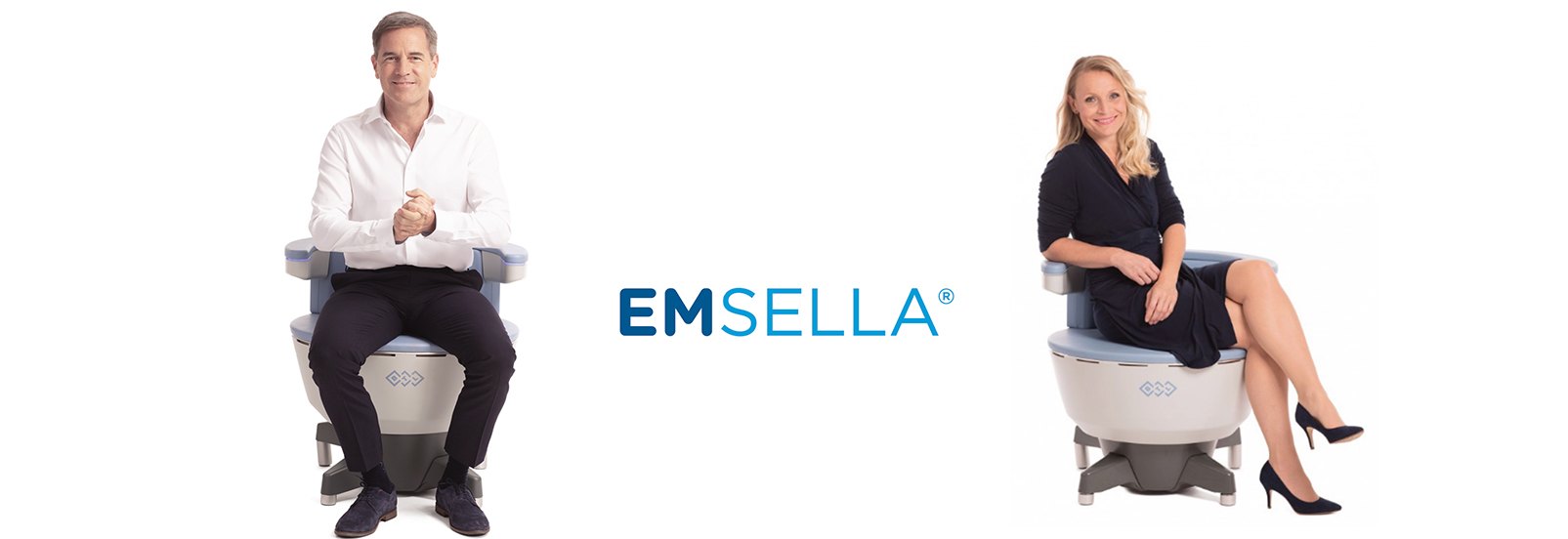
A: Emsella is a non-invasive, FDA-cleared electromagnetic device designed to strengthen the pelvic floor muscles through high-intensity focused electromagnetic (HIFEM) technology. It delivers thousands of supramaximal pelvic floor contractions in a single 28-minute session without requiring manual exercise or direct contact with the body. Emsella is used to treat urinary incontinence, improve pelvic floor function, and enhance sexual wellness in both women and men.
Q: How does Emsella work, and what happens during a treatment session at EvolveWell?
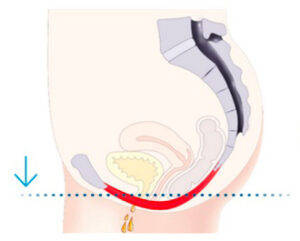
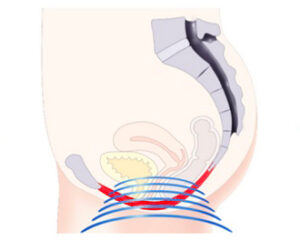
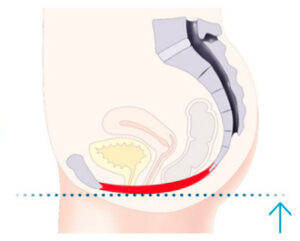
A: During an Emsella session at EvolveWell, you remain fully clothed and seated in a specialised chair. The device emits electromagnetic pulses that penetrate the pelvic floor, triggering involuntary muscle contractions—approximately 11,200 contractions per 28-minute session. These supramaximal contractions strengthen and retrain the pelvic floor muscles far more intensely than voluntary Kegel exercises alone. Sessions are painless, require no downtime, and you can resume normal activities immediately.
Q: Who is Emsella at EvolveWell suitable for?
A: Emsella is suitable for women and men experiencing stress urinary incontinence, urgency incontinence, or pelvic floor weakness affecting quality of life. It benefits those who prefer non-invasive treatment over surgical options or medications, those whose symptoms have not responded adequately to pelvic floor physical therapy, and individuals seeking to enhance sexual function or pelvic health. EvolveWell assesses each person’s symptom severity, medical history, and treatment goals to determine suitability.
Q: Who should seek clinical guidance before Emsella treatment?
A: Individuals with metallic implants such as pacemakers, cochlear implants, or neurostimulators should not undergo Emsella treatment due to electromagnetic interference risk. Pregnant women should defer treatment until postpartum. Those with severe active pelvic infections, uncontrolled neurological conditions affecting the pelvic floor, or recent pelvic surgery should consult their primary clinician before beginning Emsella. EvolveWell conducts thorough suitability screening to identify contraindications and ensure safety.
Q: What results can patients realistically expect from Emsella treatment?
A: Most patients notice meaningful improvement in incontinence symptoms within three to four weeks of starting treatment, with optimal results typically evident after six to eight sessions completed over two to three weeks. Approximately eighty to ninety percent of patients report significant reduction in leakage episodes, improved bladder control, and enhanced sexual function. However, results vary based on symptom severity, pelvic floor baseline strength, and consistency of treatment completion.
Q: How many Emsella sessions are typically needed, and what is the treatment timeline?
A: A standard Emsella course at EvolveWell consists of six sessions, each lasting 28 minutes, typically scheduled twice weekly over two to three weeks. Some patients benefit from additional sessions depending on initial response and symptom severity. Results continue to improve for several weeks after the final session as the pelvic floor muscles adapt and strengthen. Maintenance sessions may be recommended annually to sustain benefits long-term.
Q: What are the limitations of Emsella, and what symptoms does it not address?
A: Emsella is effective for stress and urgency incontinence but is not designed to treat overflow incontinence caused by urinary retention or neurogenic bladder dysfunction. Results depend on baseline pelvic floor muscle integrity; severe muscle damage may require surgical intervention. Some patients experience incomplete symptom resolution or plateau effects over time. EvolveWell is transparent about these limitations and helps patients understand whether Emsella is the right choice or whether additional or alternative treatments are warranted.
Q: How does EvolveWell’s approach to Emsella differ from other providers?
A: EvolveWell integrates Emsella into a comprehensive pelvic health assessment rather than offering it as an isolated treatment. Before beginning Emsella, patients undergo evaluation to understand the underlying cause of symptoms, rule out infections or other treatable conditions, and assess overall pelvic floor function. EvolveWell also combines Emsella with pelvic floor physical therapy, lifestyle counselling, and fluid management strategies when appropriate, creating a multidisciplinary approach that maximises outcomes rather than relying on technology alone.
Q: Is Emsella painful, and are there side effects or downtime?
A: Emsella is not painful. Most patients describe the sensation as unusual but tolerable—a tingling or muscle contraction feeling that is intense but not uncomfortable. Some experience mild pelvic heaviness or fatigue immediately after the first session, which resolves within hours. There is no downtime; patients can return to work, exercise, or daily activities immediately. Side effects are minimal and rare, making Emsella a practical option for busy individuals seeking effective incontinence treatment.
Q: How does Emsella complement pelvic floor physical therapy at EvolveWell?
A: Emsella and pelvic floor physical therapy work synergistically. Physical therapy teaches conscious pelvic floor awareness, proper muscle coordination, and functional strength during daily activities such as coughing or exercise. Emsella provides intensive, involuntary muscle strengthening that complements and accelerates therapy outcomes. EvolveWell often combines both approaches, using Emsella to build baseline strength rapidly whilst physical therapy develops functional control and coordination, resulting in superior long-term symptom management compared to either approach alone.
Q: Can men benefit from Emsella treatment at EvolveWell?
A: Yes. Men experience pelvic floor dysfunction and urinary incontinence, particularly following prostate surgery or due to ageing. Emsella strengthens the male pelvic floor, improving urinary control and sexual function. Men often respond well to Emsella treatment with significant reduction in leakage and enhanced erectile function. EvolveWell treats both women and men with Emsella, using the same evidence-based protocol tailored to individual anatomy and symptom presentation.
Q: What is the difference between Emsella and Kegel exercises, and why is Emsella more effective?
A: Kegel exercises are voluntary pelvic floor contractions that require conscious effort, proper technique, and consistent daily practice over weeks to months. Many people perform Kegels incorrectly, reducing effectiveness. Emsella delivers supramaximal, involuntary contractions that are impossible to achieve through voluntary exercise alone, providing far greater muscle stimulation in a single session. Emsell is more time-efficient and produces faster, more reliable results, though combining Emsella with Kegels optimises long-term maintenance of strength gains.
Q: Can Emsella results be maintained long-term, or do symptoms return after treatment ends?
A: Emsella results are durable because the treatment creates lasting structural changes in pelvic floor muscle strength and function. Most patients maintain significant improvement for six to twelve months or longer after completing their initial course. Maintenance sessions, typically one to two times annually, help sustain results as natural age-related muscle decline occurs. EvolveWell discusses maintenance strategies with each patient and provides guidance on when follow-up sessions are appropriate to preserve long-term benefits.
Q: How does Emsella compare to medication for urinary incontinence?
A: Medications such as anticholinergics can reduce urgency incontinence symptoms but often cause side effects including dry mouth, constipation, and cognitive effects. Emsella addresses the underlying problem—weak pelvic floor muscles—rather than masking symptoms pharmacologically. Emsella has no systemic side effects, does not interact with other medications, and produces lasting physical changes. Some patients benefit from combining Emsella with medication initially, then reducing or discontinuing medication as pelvic floor strength improves, under clinical supervision.
Q: What education and support does EvolveWell provide alongside Emsella treatment?
A: EvolveWell educates patients about pelvic floor anatomy, the mechanisms of incontinence, and how Emsella addresses underlying weakness. Clinicians explain realistic expectations, discuss complementary lifestyle strategies such as fluid timing and pelvic floor awareness, and provide guidance on pelvic floor physical therapy exercises to perform at home. This educational approach empowers patients to actively participate in their recovery and understand the physiological changes occurring during treatment, rather than experiencing Emsella as a passive technology intervention.
Q: Are there lifestyle changes or other strategies that enhance Emsella results at EvolveWell?
A: Yes. Adequate hydration, avoiding bladder irritants such as caffeine and alcohol, maintaining healthy body weight, and managing chronic cough significantly impact incontinence severity and Emsella outcomes. Pelvic floor physical therapy, particularly techniques addressing muscle coordination and functional strength, accelerates results. EvolveWell addresses these modifiable factors alongside Emsella treatment, creating a comprehensive programme that maximises symptom resolution and long-term pelvic health rather than relying on technology alone.