Q: What is hormone pellet therapy?
A: Hormone pellet therapy involves subcutaneous implantation of small, solid pellets containing bioidentical hormones such as oestrogen or testosterone. Pellets are placed under the skin, typically in the hip or buttock area, where they release hormones gradually and consistently over three to six months. This delivery method provides steady hormone levels without daily pills or frequent dose adjustments. EvolveWell uses pellet therapy as one option within a comprehensive hormone optimisation approach, selected based on individual preference, lifestyle, and clinical suitability.
Q: How does hormone pellet insertion work, and what happens during the procedure at EvolveWell?
A: Pellet insertion at EvolveWell is a minimally invasive outpatient procedure lasting approximately fifteen minutes. The insertion site is numbed with local anaesthetic, and a small incision is made in the skin. A trocar instrument creates a subcutaneous pocket, and sterile pellets are inserted through the opening. The incision is closed with a single suture or skin adhesive, covered with a small dressing. Patients experience minimal discomfort and return to normal activities immediately, though strenuous exercise is avoided for one week to allow proper pellet positioning and wound healing.
Q: Who is hormone pellet therapy at EvolveWell suitable for?
A: Pellet therapy is suitable for women experiencing menopausal or perimenopausal symptoms seeking long-term hormone delivery, men with testosterone deficiency wanting consistent hormone levels without daily administration, and individuals preferring non-daily hormone management. It benefits those with absorption difficulties affecting oral hormone effectiveness and those seeking stable hormone levels rather than fluctuations from daily dosing. EvolveWell assesses candidates thoroughly, considering lifestyle, symptom severity, and preference for hormone delivery method, ensuring pellet therapy aligns with individual needs and goals.
Q: Who should seek specialist guidance before hormone pellet therapy at EvolveWell?
A: Women with a personal history of oestrogen-sensitive breast cancer, ovarian cancer, or endometrial cancer should consult their oncologist before pellet therapy, as sustained hormone exposure may increase recurrence risk. Those with active blood clotting disorders, severe liver disease, uncontrolled hypertension, or recent cardiovascular events require specialist clearance. Individuals with skin infections at the insertion site or significant keloid scarring should discuss suitability with EvolveWell clinicians. EvolveWell conducts comprehensive suitability screening and collaborates with specialists when complex medical histories are present.
Q: What results can patients realistically expect from hormone pellet therapy at EvolveWell?
A: Most patients experience meaningful symptom improvement within two to four weeks of pellet insertion, with optimal results evident by eight to twelve weeks as hormone levels stabilise. Hot flushes, night sweats, mood changes, cognitive fog, and sexual dysfunction often improve significantly. However, not all symptoms resolve completely, and individual response varies based on baseline hormone status, overall health, and lifestyle factors. EvolveWell sets realistic expectations, emphasising that pellet therapy alleviates symptoms but does not reverse ageing and that results require ongoing monitoring and potential reinsertion.
Q: What is the timeline for hormone pellet therapy, and how long do pellets last?
A: Hormone pellets typically release hormones for three to six months, depending on pellet composition, individual metabolism, and hormone type. Most patients require reinsertion every four to six months. Some patients experience longer duration if metabolism is slower; others require earlier reinsertion if metabolism is faster or symptoms return sooner. EvolveWell monitors symptom response and hormone levels throughout the pellet cycle, scheduling reinsertion based on individual needs rather than fixed timelines. This individualised approach ensures consistent symptom relief without prolonged gaps between pellets.
Q: What are the limitations of hormone pellet therapy, and what should patients understand about risks?
A: Pellet therapy cannot be adjusted once inserted; if side effects develop, the pellet cannot be removed until it dissolves naturally. Some patients experience hormone fluctuations as pellets near the end of their cycle, causing symptom return. Pellets carry infection risk, though rare with proper sterile technique. Like all hormone therapy, oestrogen pellets increase risks of blood clots and stroke in some individuals. EvolveWell is transparent about these limitations, screens for contraindications thoroughly, uses sterile insertion techniques, and monitors patients closely for adverse effects.
Q: How does EvolveWell’s approach to hormone pellet therapy differ from other providers?
A: EvolveWell integrates pellet therapy into comprehensive hormone assessment rather than offering it as an isolated treatment. Before insertion, patients undergo detailed hormone testing measuring multiple hormones, symptom assessment, and suitability screening. EvolveWell clinicians customise pellet type, dose, and insertion schedule based on individual hormone levels and response, not applying a standard protocol. EvolveWell also combines pellet therapy with nutrition, exercise, stress management, and supplementation supporting hormonal health. This integrated approach maximises results and ensures pellet therapy is appropriate and safe for each individual.
Q: Is pellet insertion painful, and what is recovery like?
A: Pellet insertion is minimally uncomfortable; local anaesthetic numbs the insertion site completely. Most patients describe only mild pressure or tugging sensation during the procedure. Post-insertion, mild discomfort or bruising at the insertion site resolves within one to two weeks. There is no downtime; patients can return to normal activities immediately. However, strenuous exercise, heavy lifting, and swimming are avoided for one week to allow the incision to heal and pellets to settle properly. Most patients report that recovery is straightforward with minimal disruption to daily life.
Q: How does hormone pellet therapy compare to other hormone delivery methods such as patches or oral hormones?
A: Pellet therapy provides consistent, steady hormone levels over months without daily administration, offering superior compliance compared to daily pills. Patches require weekly or twice-weekly changes, whereas pellets require insertion only every four to six months. Oral hormones undergo first-pass liver metabolism, potentially reducing effectiveness; pellets bypass this, delivering hormones directly into the bloodstream. However, pellets cannot be adjusted once inserted, whereas patches and pills allow dose changes. EvolveWell discusses all delivery options with patients, helping them choose based on lifestyle, preference, and clinical suitability.
Q: How frequently does EvolveWell monitor patients on hormone pellet therapy?
A: EvolveWell monitors pellet patients at two weeks post-insertion to assess healing and early response, then at four, eight, and twelve weeks to evaluate symptom improvement and hormone effectiveness. Patients are reassessed every three to four months to determine optimal reinsertion timing based on symptom return and hormone levels. Regular monitoring includes symptom review, assessment of any side effects, and periodic health screening including blood pressure and lipid profiles. This close oversight ensures pellets remain effective, identifies any adverse effects early, and optimises reinsertion scheduling for consistent symptom relief.
Q: Can hormone pellet therapy be discontinued or combined with other hormone delivery methods?
A: Yes. If side effects develop or patients wish to discontinue, pellets dissolve naturally over weeks to months; they cannot be removed surgically without significant tissue trauma. Some patients transition from pellets to other delivery methods such as patches or oral hormones when pellets near the end of their cycle, allowing dose adjustment without waiting for complete dissolution. EvolveWell clinicians help patients plan transitions carefully to avoid symptom gaps. Pellet therapy can be combined with oral supplementation or transdermal creams if additional hormone support is needed between pellet cycles.
Q: What education and preparation does EvolveWell provide before pellet insertion?
A: EvolveWell educates patients about pellet mechanism, expected timeline for symptom improvement, realistic outcomes, and potential side effects. Clinicians explain the insertion procedure in detail, addressing concerns about pain or complications. Patients receive written instructions for pre-insertion preparation, post-insertion care, and activity restrictions. EvolveWell discusses what to expect during the pellet cycle, including potential symptom patterns as pellets near expiration, and explains reinsertion scheduling. This comprehensive preparation ensures patients feel informed and confident about the procedure and understand what to expect throughout the treatment cycle.
Q: Are there lifestyle factors or complementary treatments that enhance hormone pellet therapy results at EvolveWell?
A: Yes. Nutrition supporting hormone metabolism, regular exercise maintaining bone and cardiovascular health, stress management reducing cortisol interference, and adequate sleep supporting hormonal balance all enhance pellet therapy effectiveness. Supplementation addressing nutrient deficiencies may improve symptom relief. EvolveWell integrates pellet therapy with these lifestyle interventions, creating a comprehensive approach addressing multiple factors influencing hormonal health. This coordinated strategy produces superior outcomes compared to pellet therapy alone and supports long-term health optimisation across all physiological systems beyond hormone management.
Q: What is the difference between hormone pellet therapy and other forms of bioidentical hormone replacement at EvolveWell?
A: Hormone pellet therapy provides long-term, consistent hormone delivery via subcutaneous implants. EvolveWell also offers oral bioidentical hormones, transdermal patches, and topical creams, each with distinct advantages. Pellets offer superior compliance and steady levels but cannot be adjusted once inserted. Oral and topical options allow dose flexibility but require daily or frequent administration. EvolveWell helps patients choose based on lifestyle, preference, symptom severity, and clinical suitability. Some patients benefit from combining pellet therapy with supplemental oral or topical hormones for optimal symptom management and flexibility.
Q: Can hormone pellet therapy be used for testosterone replacement in men at EvolveWell?
A: Yes. Testosterone pellets are effective for men with documented testosterone deficiency, improving energy, mood, muscle mass, sexual function, and metabolic health. EvolveWell screens men thoroughly with baseline testosterone testing and symptom assessment before recommending pellet therapy. Dosing is individualised based on testosterone levels and response. Men typically experience symptom improvement within two to four weeks and optimal results by eight to twelve weeks. EvolveWell monitors testosterone levels and symptom response throughout the pellet cycle, scheduling reinsertion based on individual metabolism and needs rather than fixed timelines.


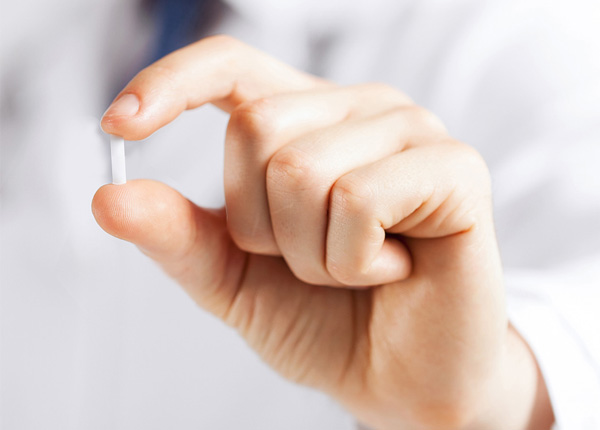 The EvolveWell team can help you choose the best delivery system for relief of your symptoms. Many people are now choosing slow-release hormone pellets for their convenience.